
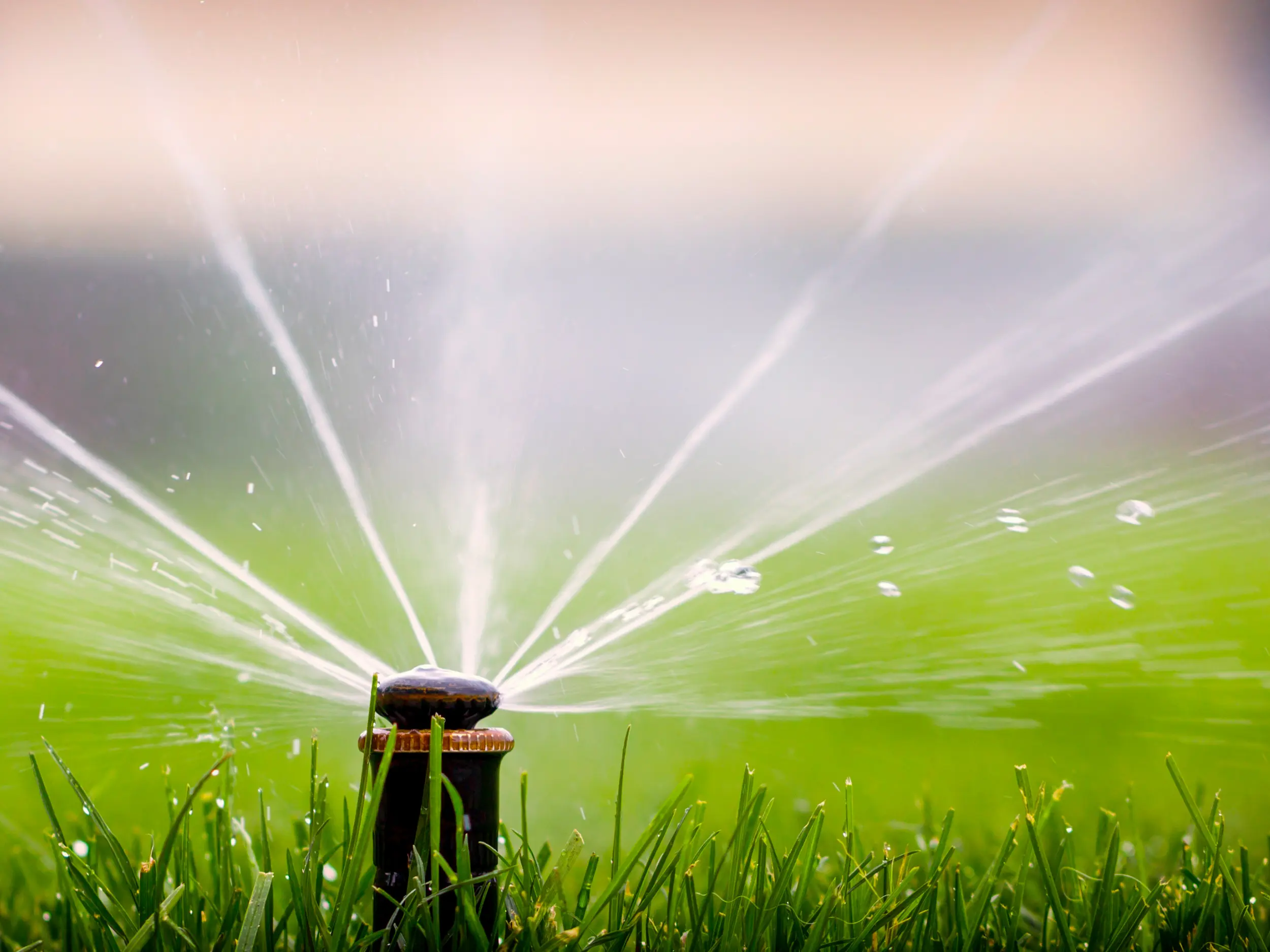
Web-based irrigation planning has transformed how professionals approach water management. Statistics indicate that 60% of new irrigation projects now incorporate online tools for initial design and layout. Cloud-based solutions allow designers to access accurate site data, collaborate remotely, and make real-time adjustments, increasing both efficiency and accuracy. As water conservation becomes a top priority, design irrigation system online provide a scalable, data-driven solution.
How Do Online Tools Improve Accuracy in Irrigation Planning?
Precision is critical in irrigation, and online platforms deliver it through integrated measurements and calculations. Designers can input soil types, slope gradients, and plant water requirements to generate optimal system layouts. Research shows that irrigation systems designed with digital tools achieve up to 30% more uniform water distribution compared to manual planning. By reducing guesswork, these tools minimize waste and ensure each zone receives the right amount of water.
What Statistics Support Web-Based Water Management?
Historical water usage, precipitation patterns, and evapotranspiration data form the backbone of online irrigation design. By analyzing these statistics, designers can create systems that adapt to seasonal fluctuations and local conditions. Studies indicate that incorporating long-term weather and soil data into planning can reduce annual water consumption by 15–20%. These insights allow for smarter, more sustainable irrigation systems.
Can Online Design Save Time and Reduce Costs?
Yes, web-based irrigation tools significantly improve project timelines and budgets. Automation features calculate pipe lengths, sprinkler coverage, and pump requirements instantly, reducing manual work by up to 40%. Cost estimates are more precise, avoiding over-ordering or underestimating materials. In large-scale projects, this efficiency translates to thousands of dollars in savings and faster project completion.
How Do Zoning and Layout Features Enhance System Performance?
Zoning ensures that areas with similar water needs receive tailored irrigation. Online tools allow designers to group zones based on soil type, sun exposure, and plant type. Data shows that properly zoned systems can improve uniformity and plant health by over 20%. These tools also simulate water pressure and flow to prevent over- or under-watering, ensuring reliable system performance.
Why Is Pressure and Flow Simulation Essential?
Uneven pressure is a leading cause of irrigation inefficiency. Studies reveal that a 10% pressure variation can reduce water distribution uniformity by up to 25%. Online irrigation platforms simulate hydraulic behavior across pipes, valves, and emitters, identifying weak points before installation. This predictive capability ensures consistent flow, improves system reliability, and minimizes maintenance needs.
What Environmental Benefits Come from Online Irrigation Design?
Sustainability is a measurable outcome of smart irrigation. Systems designed with data-driven tools reduce water runoff and overwatering by up to 30%. Properly planned irrigation also reduces soil erosion and nutrient leaching. By using statistics to guide plant selection, layout, and scheduling, online tools help conserve resources while maintaining lush, healthy landscapes.
How Does Cloud Collaboration Improve Decision-Making?
Web-based irrigation design allows multiple stakeholders to collaborate in real time. Designers, contractors, and property owners can review layouts, suggest adjustments, and approve changes instantly. Studies indicate that collaborative platforms reduce errors and revisions by nearly 25%. This transparency ensures that projects remain on schedule, on budget, and aligned with performance goals.
What Is the Future of Online Irrigation Planning?
The future of irrigation design is increasingly online, data-driven, and automated. As weather databases, soil metrics, and plant analytics expand, web-based platforms will deliver even more precise recommendations. Designers can expect improved efficiency, reduced costs, and stronger environmental outcomes. In an era of resource optimization, online irrigation planning is setting a new standard for accurate, fast, and sustainable water management.