
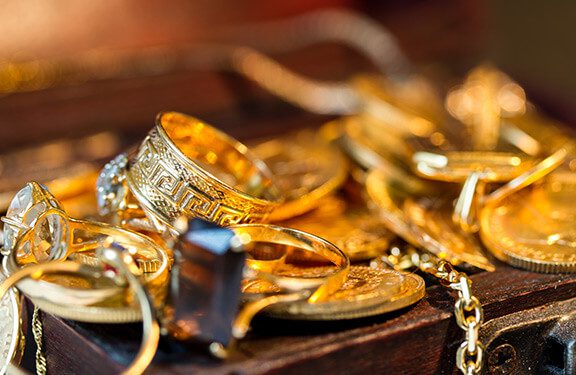
Bavaria has long been recognized as an economic powerhouse within Germany, and its capital, Gold buying in Munich (Goldankauf München), stands at the center of this financial stability. For investors in the region, preserving wealth is often just as important as generating it. This conservative yet robust approach to finance explains why physical gold remains a staple in many Bavarian portfolios.
If you are considering diversifying your assets, understanding the local landscape for precious metals is essential. This guide outlines the fundamentals of purchasing, storing, and managing gold investments specifically within Munich and the wider Bavarian region.
Why is Munich a hub for gold investors?
Germany traditionally holds one of the highest per capita gold ownership rates in the world, and Bavaria is no exception to this trend. The local culture places a high value on tangible assets and financial security. Consequently, Munich has developed a sophisticated infrastructure for precious metal trading.
Investors here benefit from a dense network of reputable dealers and banks that facilitate transparent transactions. Unlike digital assets, physical gold offers a sense of permanence that aligns with the long-term wealth preservation strategies common among Munich’s residents. The city’s status as a banking center ensures that buyers have access to competitive premiums and verified, authentic products.
What types of gold should you buy in Bavaria?
When entering the market, you will generally choose between bullion bars and bullion coins.
Gold Bars: These are ideal for larger investments. In Munich, standard sizes range from 1 gram to 1 kilogram. Bars typically carry lower premiums over the spot price compared to coins because their manufacturing costs are lower.
Gold Coins: Popular choices in Bavarian dealerships include the South African Krugerrand, the Canadian Maple Leaf, and the Vienna Philharmonic. Coins offer greater divisibility, meaning you can sell off small portions of your investment if liquidity is needed.
Where can you safely purchase gold in the city?
Munich offers several secure channels for acquiring precious metals.
Specialized Precious Metal Dealers: The city center, particularly areas around Marienplatz and the financial district, hosts numerous established precious metal traders. These specialized shops often offer better pricing than commercial banks due to their focus on the commodities market. They provide immediate physical delivery, which many investors prefer over paper contracts.
Banks: Most major savings banks (Sparkassen) and cooperative banks (Volksbanken) in Bavaria sell gold to their customers. While this is a highly secure option, availability can sometimes be limited to current account holders, and premiums might be slightly higher than independent dealers.
Auctions and Estates: Occasionally, estate sales in affluent Bavarian neighborhoods offer gold coins or collections. However, this route requires expert knowledge to verify authenticity and is generally not recommended for beginners.
How does taxation work for gold in Germany?
One of the most compelling reasons to invest in gold in Munich is the favorable tax treatment provided by German law.
VAT Exemption: The purchase of investment gold (defined as gold bars or wafers of weights accepted by the bullion markets and purity of at least 995 thousandths, and gold coins meeting specific criteria) is exempt from Value Added Tax (VAT). This makes gold significantly more attractive than silver or platinum, which are subject to VAT.
Capital Gains Tax: If you hold physical gold for more than one year, any profit realized upon selling it is tax-free in Germany. If sold within a year, profits are taxed at your personal income tax rate if they exceed the exemption limit (Freigrenze) of 600 Euros per year. This policy heavily favors the long-term holding strategy prevalent in Bavaria.
What are the best storage solutions in Munich?
Once purchased, the security of your asset is paramount.
Bank Safety Deposit Boxes: Many Munich banks offer safety deposit boxes (Schließfächer). This is a traditional choice, providing high security within a regulated financial institution. However, availability can be low, and insurance coverage must be checked carefully.
Private High-Security Vaults: Independent security companies in Bavaria offer non-bank vaulting services. These facilities often provide higher insurance limits and flexible access hours compared to traditional banks. They are becoming increasingly popular for investors who prefer to keep their assets outside the banking system.
Home Storage: Installing a high-grade safe at home is an option, but it comes with risks. Residential burglaries do occur, and standard household insurance policies often have strict limits on cash and valuables. If you choose this route, consult your insurance provider to ensure adequate coverage.
Strengthening Your Portfolio in Bavaria
Entering the gold market in Munich offers distinct advantages, from tax incentives to a robust local trading environment. Whether you choose to buy coins from a dealer near the Viktualienmarkt or store bars in a private vault in Bogenhausen, the key is to view gold not as a get-rich-quick scheme, but as a long-term hedge against inflation and market volatility. By leveraging the professional resources available across Bavaria, you can build a resilient portfolio grounded in tangible value.