
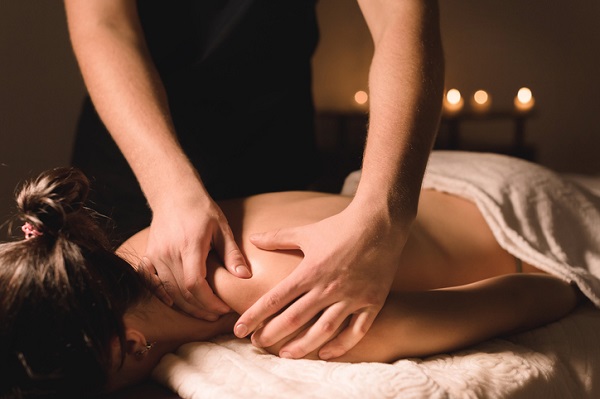
Frequent business travel can blur the lines between professional obligations and personal well-being, making it difficult for busy travelers to maintain a healthy work-life balance. Thankfully, business trip massage (마사지) has become an essential practice for professionals seeking to harmonize their demanding schedules with moments of relaxation and self-care. This traveler’s guide explains how incorporating massage therapy during business trips supports wellness and fosters balance amidst the hustle.
Traveling for work often means tight timelines, long flights, and endless meetings—all of which can take a toll on both body and mind. This constant pressure can lead to burnout, stress, and physical discomfort, making it challenging to stay productive and centered. By prioritizing a business trip massage, travelers can carve out intentional downtime that helps restore energy and reduce tension, creating a healthier rhythm between work and rest.
One of the core benefits of massage therapy for business travelers is its ability to reduce stress. Elevated cortisol levels caused by travel stress and workload pressure can negatively affect mood and focus. Massage lowers cortisol while boosting serotonin and dopamine, neurotransmitters that promote relaxation and emotional wellbeing. This shift not only improves mental clarity but also fosters a more positive outlook—key components of a balanced life.
Physical discomfort from prolonged sitting, jet lag, and irregular sleep patterns also challenges business travelers. Targeted massage techniques help alleviate muscle stiffness and improve circulation, reducing fatigue and preventing the aches that often accompany travel. Feeling physically comfortable enhances the ability to engage fully in work tasks while also making downtime more restorative. Massage encourages the production of melatonin, the hormone responsible for regulating sleep cycles, enabling deeper, more restful sleep. Better rest improves cognitive function, emotional stability, and overall resilience, equipping travelers to meet their professional commitments with clarity and confidence.
Sleep quality plays a critical role in maintaining work-life balance. Jet lag and new environments can disrupt restful sleep, impacting both professional performance and personal health. Massage stimulates melatonin production, encouraging deeper, more restorative sleep. Better rest supports cognitive function, emotional resilience, and overall wellbeing—allowing travelers to perform optimally during the day and enjoy relaxation in the evening.
Incorporating business trip massage also sends a powerful message about self-care. Amid the demands of constant travel, taking time for wellness reinforces boundaries between work and personal life. It encourages mindful awareness of one’s needs, which is essential for sustaining long-term health and happiness. Employers who support wellness initiatives help foster a culture where balance is valued and achievable.
Practicality is key for busy travelers. Fortunately, many hotels and wellness centers offer convenient massage services that fit into hectic schedules. Even brief sessions between meetings can provide significant benefits, helping travelers recharge quickly without sacrificing valuable time.
In conclusion, business trip massage is a vital tool for achieving work-life balance while traveling. By reducing stress, relieving physical discomfort, and enhancing sleep quality, massage therapy empowers professionals to navigate the demands of business travel with greater ease and wellbeing. For those committed to maintaining harmony between career and personal health, making massage a regular part of the travel routine is a smart, impactful choice.