
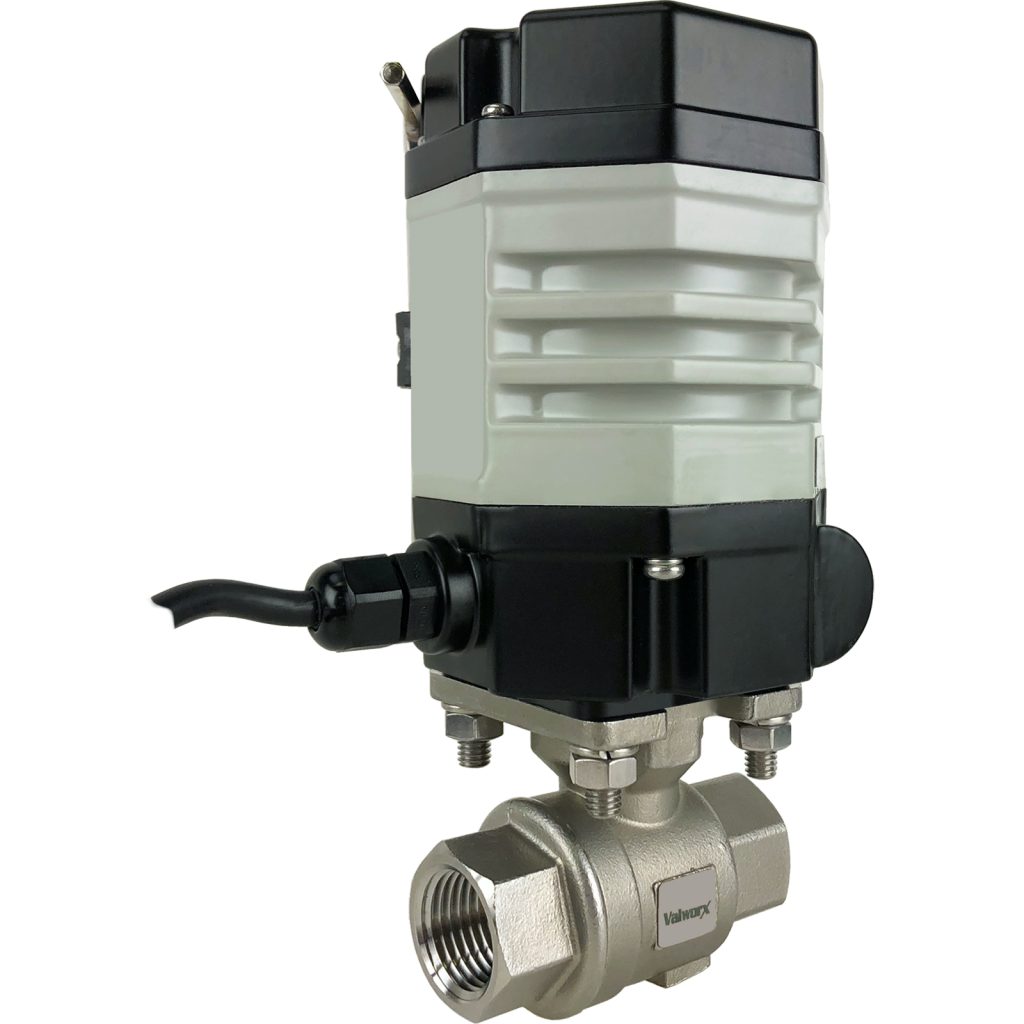
Ball Valve are a fundamental component in many industries, renowned for their reliability and efficiency. Whether managing the flow of liquids, gases, or steam, these versatile devices ensure smooth operation across a range of systems. This article provides a clear explanation of ball valve functionality, highlights their benefits, and explores their common use cases.
How Ball Valves Work
At their core, ball valves are a type of quarter-turn valve designed to control the flow of a medium. They consist of a hollow, perforated sphere (the “ball”) that rotates inside the valve body. When the ball’s hole aligns with the flow channel, the valve is open, allowing fluid or gas to pass through. Conversely, turning the ball 90 degrees blocks the passage, effectively stopping the flow.
The quarter-turn action is not only simple but also ensures an immediate and positive shut-off, making ball valves a reliable choice for precise fluid control.
Key Benefits of Ball Valves
The popularity of ball valves can be attributed to their unique advantages. Here are some of the key benefits they bring:
1. Leak-Tight Sealing
Ball valves provide an exceptionally tight shut-off, thanks to their precision-engineered design. They are particularly effective in preventing leaks, even under high pressure or in critical applications.
2. Ease of Operation
With a simple quarter-turn motion, ball valves are easy to operate, minimizing the effort required by system operators. This makes them highly efficient for both manual and automated systems.
3. Durability and Longevity
Crafted from robust materials such as stainless steel, brass, or PVC, ball valves deliver a long service life. They are corrosion-resistant and maintain their performance even under extreme conditions.
4. Versatility in Applications
Ball valves are available in a wide range of configurations (e.g., two-way, three-way, or multiport), sizes, and materials, which allows them to meet the specific needs of various industries and systems.
5. Quick Installation
Thanks to their compact design, ball valves are lightweight and easy to install, fitting seamlessly into both new and existing systems without requiring substantial modifications.
Common Use Cases for Ball Valves
Ball valves are widely employed across numerous industries, owing to their adaptability and performance. Here are a few typical use cases:
1. Industrial Manufacturing
From managing compressed air in pneumatic systems to controlling fluids in chemical processing plants, ball valves provide precise and dependable flow control.
2. Oil and Gas
Used in pipelines and refineries, ball valves play a critical role in controlling the flow of hydrocarbons while maintaining safety and efficiency.
3. Water Systems
Ball valves are integral to residential, commercial, and municipal plumbing systems, regulating water flow in everything from irrigation systems to wastewater treatment plants.
4. HVAC Systems
Heating, ventilation, and air conditioning systems often rely on ball valves to control the flow of water or refrigerant, ensuring consistent temperature regulation.
5. Food and Beverage
Hygienic and easy-to-clean ball valves are commonly found in food processing and beverage production facilities, helping to maintain high standards of safety and efficiency.
Why Choose Ball Valves?
Ball valves stand out as a practical choice for industries requiring reliability, efficiency, and versatility. Their proven functionality, combined with ease of use and minimal maintenance needs, qualifies them for a wide range of applications.
Whether you’re upgrading an existing system or planning a new installation, ball valves offer the performance and durability required to keep operations flowing smoothly.