
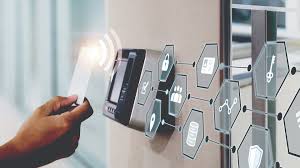
Access control security has become a vital component of modern infrastructure, providing businesses with robust protection against breaches and unauthorized access. With the rise of digital transformation, integrating access control security into existing systems is no longer optional; it’s a necessity.
This article explores why access control matters, the benefits of integration, and a step-by-step approach to successfully incorporating access control into your current infrastructure.
Why Access Control is Essential
Here’s a statistic to consider: 81% of data breaches are caused by stolen or weak passwords, according to a study by Verizon. Access control security systems mitigate these threats by limiting access to sensitive information or areas, ensuring that only authorized individuals can gain entry. For businesses, this means safeguarding employees, data, and physical assets.
Benefits of Integrating Access Control into Your Infrastructure
Integrating access control into existing systems doesn’t just bolster security; it also streamlines processes. Here’s a quick breakdown of its key benefits:
- Enhanced Security
Advanced access control systems use encryption, biometrics, and multi-factor authentication to protect against unauthorized entry.
- Scalability
These systems can scale with your business, allowing you to add or remove permissions as your needs evolve.
- Convenience
By integrating access control with existing systems like HR software, permissions can automatically update when employees join or leave.
- Operational Insights
Access control provides detailed logs of who accessed what and when, enhancing accountability and compliance.
How to Integrate Access Control with Existing Systems
Step 1: Assess Your Current Infrastructure
Start with an audit of your current setup. Understand the weak points in your security and identify which assets or areas require protection.
Step 2: Choose the Right Access Control System
Opt for a platform compatible with your existing systems. For example, choose a solution that works seamlessly with IoT devices or building management software.
Step 3: Develop an Implementation Plan
Plan a phased rollout to avoid disruptions. Clearly define responsibilities and set timelines for hardware installation, software integration, and employee training.
Step 4: Train Your Team
Invest in training employees to use the new system effectively. A well-informed team can maximize your return on investment.
Step 5: Monitor and Adapt
Once integrated, continuously monitor the system’s performance. Regular audits and updates can ensure it keeps pace with your business needs and emerging threats.
Access Control Solutions are Critical for the Future
With cyber threats and workplace security risks on the rise, integrating access control systems into your current infrastructure is more critical than ever. By adopting a thoughtful approach to integration, you can enhance security, streamline operations, and future-proof your business.
Looking for the best access control solutions? Start with a thorough evaluation of your systems to identify the right tools to meet your needs and ensure organizational safety.