
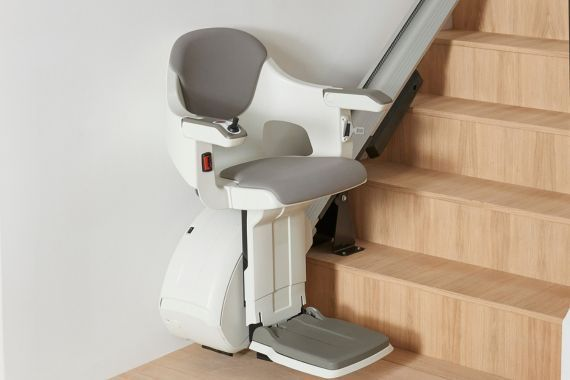
Stairlifts are transforming the way people with mobility challenges enjoy their homes. These innovative devices provide a practical and convenient solution for navigating staircases, offering independence, safety, and comfort in a changing world. Whether you’re considering one for yourself or a loved one, understanding the features and pricing associated with Stairlifts (Salvaescaleras) is crucial to making an informed choice. This guide breaks down everything you need to know, from standout functionalities to the factors that influence costs.
Understanding Stairlifts & Their Purpose
A stairlift is an electric-powered chair or platform that glides along a track fitted to your staircase. Designed for people with reduced mobility, stairlifts ensure safe and effortless movement up and down stairs in multi-story homes. They are particularly popular among the elderly and individuals recovering from surgeries or illnesses, offering a way to maintain independence without the need for costly renovations or relocating to a single-story home.
According to recent statistics, the global stairlift market is expected to grow at a CAGR of 5.6% from 2023 to 2030, reflecting a surge in demand due to aging populations and increasing awareness of accessibility solutions. However, not all stairlifts are created equal. Their features vary widely based on staircase type, user needs, and budget constraints.
Key Features to Look For in a Stairlift
When choosing a stairlift, certain features can make all the difference. Modern stairlifts are designed with users’ safety and convenience in mind, offering a range of options to cater to diverse needs.
1. Customizable Tracks for Staircase Types
Whether your staircase is straight, curved, or spiral, there’s a stairlift custom-built to fit. Tracks can be designed to meet your stairway’s unique specifications, ensuring a seamless installation process. Curved staircases require specially designed tracks and often cost more due to complexity.
2. Comfortable Seat Design
High-quality stairlifts prioritize comfort. Ergonomic seat designs with adjustable armrests, cushioned padding, and swiveling mechanisms make it easier for users to sit, stand, and get off the lift safely.
3. Safety Features
Safety is non-negotiable when it comes to mobility solutions. Stairlifts often include safety belts, obstruction sensors to stop the lift when an object is detected, and anti-slip footrests to prevent accidents. Many models also have backup batteries to ensure functionality during a power outage.
4. Ease of Use
Look for simple, user-friendly controls, such as remote-operated or joystick buttons. Some modern stairlifts feature smart technology, allowing users to control the lift via smartphone apps.
5. Weight Capacity
Most stairlifts are designed to accommodate various weight capacities, with standard models supporting up to 300 lbs and heavy-duty options handling up to 600 lbs.
6. Foldability and Space Efficiency
For homes with limited space, foldable stairlifts are a game-changer. Users can fold away the seat, armrests, and footrest when the stairlift isn’t in use, keeping the staircase functional for others.
7. Aesthetic Options
Worried about a stairlift clashing with your home’s décor? Many manufacturers offer customizable colors and materials, allowing you to choose a design that blends seamlessly with your interiors.
How Much Do Stairlifts Cost?
Pricing stairlifts depends on various factors, including the staircase type, customized features, and installation requirements. Here’s a breakdown to provide a clearer picture of the costs involved.
1. Straight Stairlifts
Straight stairlifts are simpler to design and install, making them the most budget-friendly option. On average, they cost between $2,500 and $5,000, including installation.
2. Curved Stairlifts
Since curved stairlifts require custom-made tracks to follow the staircase’s curves, they are significantly more expensive, with prices ranging from $8,000 to $15,000.
3. Outdoor Stairlifts
Designed to withstand weather elements, outdoor models are priced at about $4,000 to $7,000 on average, depending on customization and specific weatherproofing requirements.
4. Optional Upgrades
Features such as enhanced weight capacity, advanced safety mechanisms, or upgraded upholstery may increase the price of your stairlift. Additionally, smart stairlifts with connectivity features typically cost more than standard options.
5. Financing and Rental Options
For those working within a budget, many stairlift suppliers offer financing plans and rental options. Rental agreements typically cost around $300 to $500 per month, with initial setup charges ranging from $500 to $1,000. While renting may seem cost-effective in the short term, purchasing a stairlift is a better long-term investment for ongoing mobility needs.
The Growing Trend of Stairlift Popularity
With a growing emphasis on aging in place and home accessibility, stairlifts are no longer viewed as luxury items. Instead, they are becoming an essential part of home mobility solutions. Their rising popularity is supported by advancements in technology, allowing manufacturers to develop more compact, affordable, and feature-rich models.
Additionally, governments and insurance providers in many regions have started recognizing stairlifts as necessary medical equipment, offering subsidies or reimbursements for qualifying individuals. This financial support has made stairlifts more accessible to middle-income households.
Take the First Step Toward Safe and Easy Home Access
Stairlifts bring comfort, mobility, and safety to millions worldwide, empowering individuals to fully enjoy their homes. With so many models and features to choose from, finding the perfect stairlift may feel overwhelming, but it doesn’t have to be.